

Current Project
Her Dignity
- 2025–2027
- Somaliland
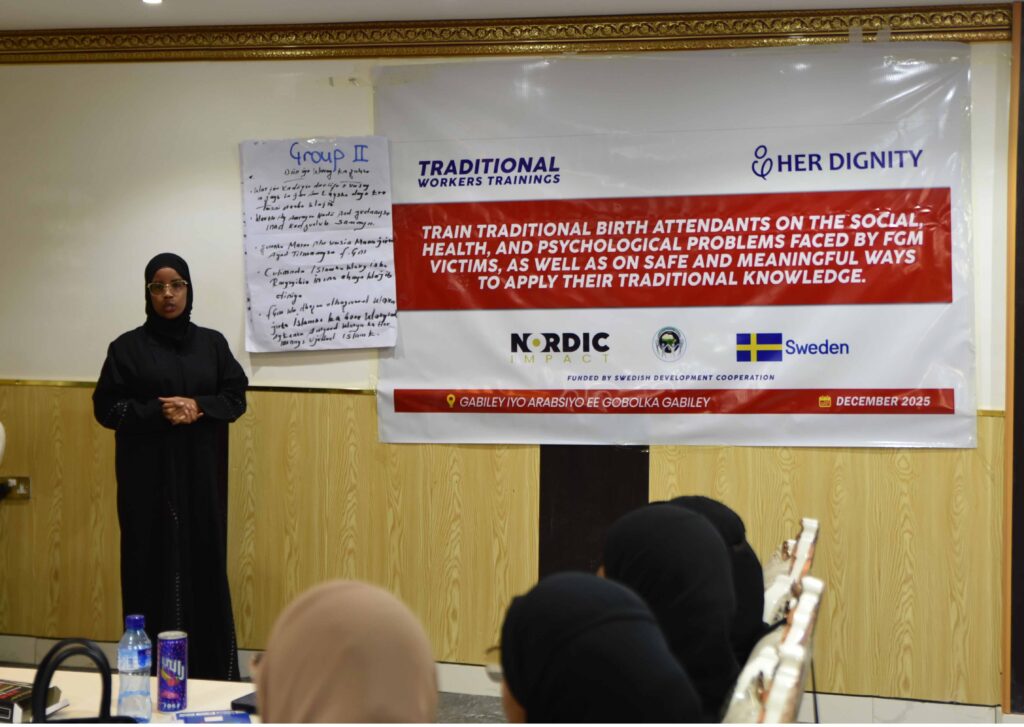
Through Her Dignity, Nordic Impact, and Somaliland Promoting Society (SPS) are working closely with communities to protect the rights of women and girls and prevent gender-based violence, with a particular focus on ending Female Genital Mutilation (FGM).
The project combines community awareness campaigns, training for healthcare workers and local leaders, and psychosocial support for survivors. By engaging directly with communities, we aim to increase understanding of the health and social risks of FGM, reduce its prevalence, and empower people to take action to protect girls.
At the same time, SPS is strengthening its own capacity in gender equality, organizational development, and results-based management, ensuring that the impact of the project lasts well beyond its duration.
Previous Projects
Eradicating FGM/C in Somaliland
- 2021–2022
- Somaliland
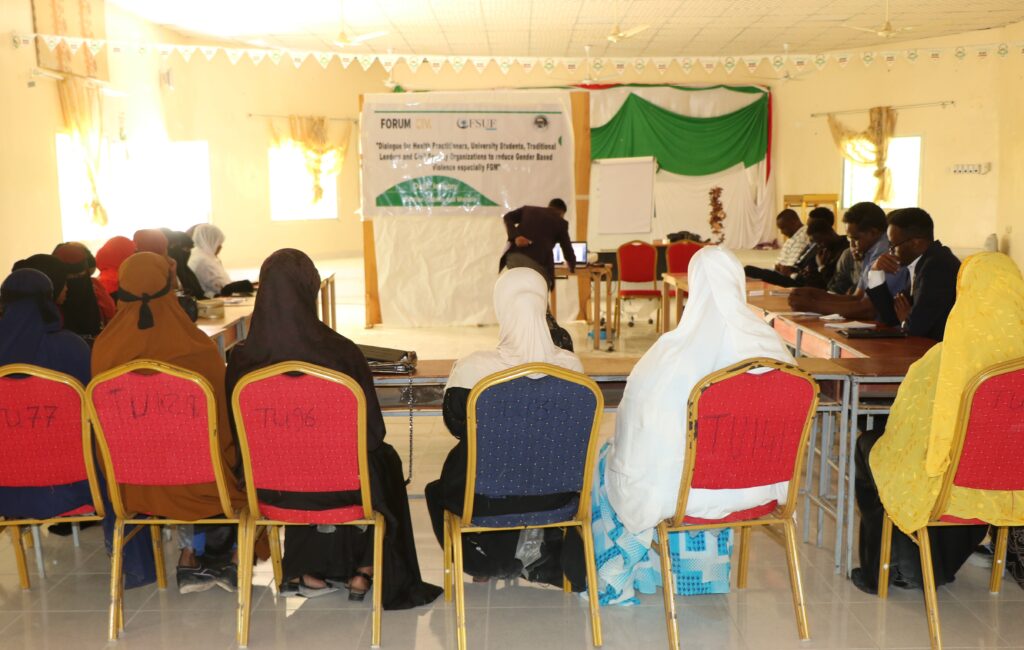
Nordic Impact, in collaboration with Somaliland Promoting Society (SPS), implemented the Eradicating FGM/C in Somaliland project to support community-led efforts to end Female Genital Mutilation (FGM). The initiative focused on empowering local civil society actors—including women, youth, and community leaders—to challenge harmful practices and promote the health and rights of women and girls.
Activities were carried out in high-prevalence areas, including rural districts, urban communities, and internally displaced persons (IDP) camps. Particular attention was given to locations where the practice remains deeply rooted, including areas where FGM is performed as a source of income.
The project combined awareness-raising, survivor support, institutional collaboration, and capacity building to encourage long-term change.
Key Outcomes
- Community health workers, traditional birth attendants, nurses, and volunteers strengthened their ability to address FGM-related health and protection issues.
- Women affected by FGM—particularly those living in IDP camps—gained access to psychosocial support services.
- Awareness campaigns, public discussions, and community events helped increase understanding of the health and social consequences of FGM.
- Religious and traditional leaders actively participated in dialogue and advocacy, encouraging communities to abandon the practice.
- Civil society organizations and government institutions improved coordination and engagement on policies addressing gender-based violence, including FGM.
The project also created spaces for organizations and institutions working on FGM to share experiences, challenges, and lessons learned. Through community engagement, strengthened local capacity, and collaboration with key stakeholders, the initiative contributed to ongoing efforts to end FGM and protect the well-being of women and girls in Somaliland.
Fight Against FGM in Somaliland
- 2019–2021
- Somaliland
Nordic Impact, in partnership with Somaliland Promoting Society (SPS), implemented the Fight Against FGM in Somaliland project to promote the rights of women and girls by working toward the elimination of Female Genital Mutilation (FGM).
In Somaliland, FGM remains one of the most widespread harmful practices, affecting a large majority of girls, often between the ages of 4 and 11. The practice continues largely due to deep-rooted cultural traditions, limited access to health services in rural areas, and a lack of awareness about the serious physical, psychological, and social consequences.
The project addressed these challenges through a community-centered approach focused on strengthening local capacity, supporting survivors, and encouraging open dialogue on the harmful effects of FGM.
Key Outcomes
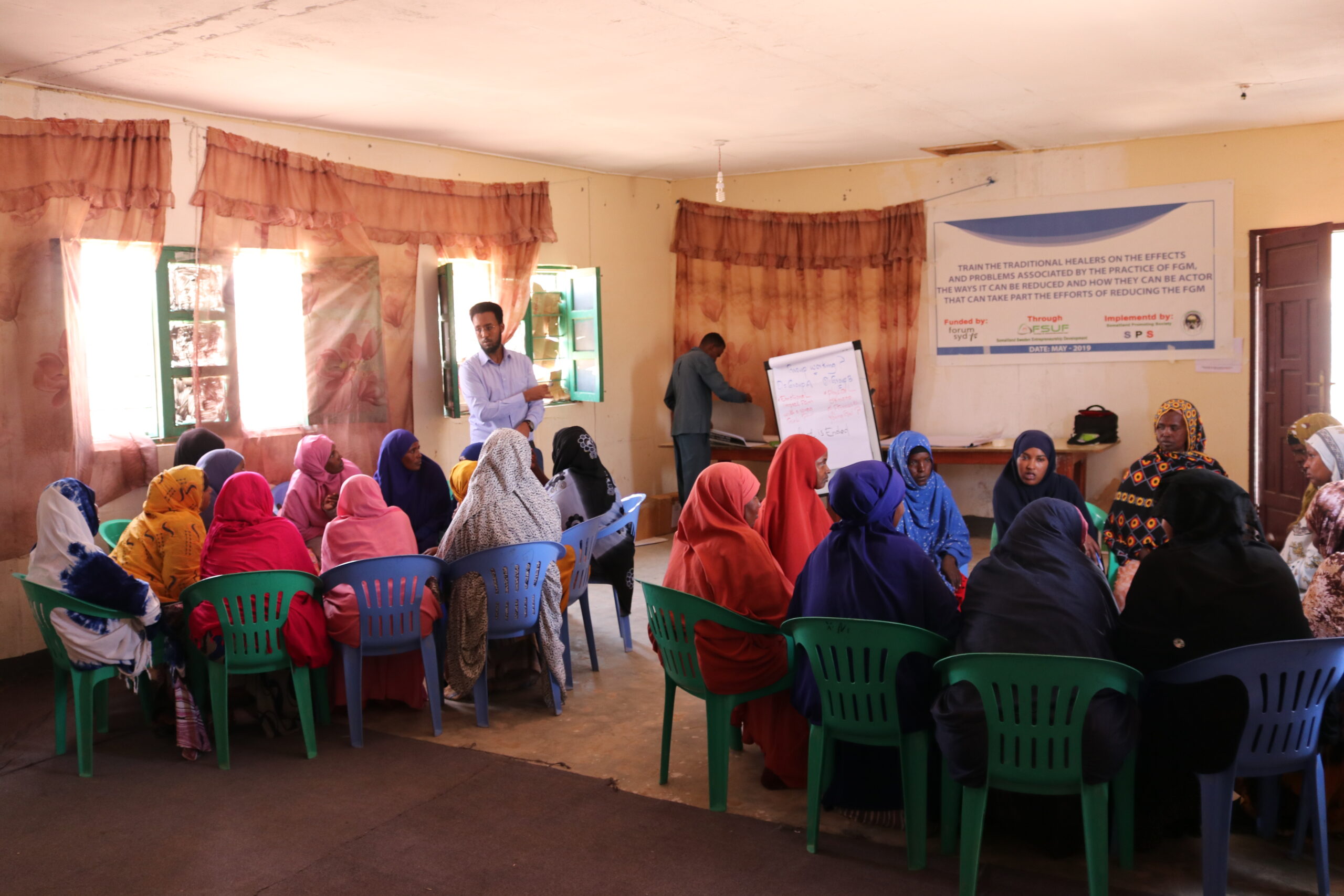
- Community health workers—including traditional birth attendants, nurses, and midwives—received training to strengthen their knowledge and response to FGM-related health issues.
- Women affected by FGM gained access to psychosocial counselling and support.
- Awareness campaigns, community dialogues, and debates increased public understanding of the health and human rights impacts of FGM.
- Religious leaders, traditional elders, women, and youth actively participated in discussions on abandoning the practice.
- Networks and partnerships among civil society organizations and institutions working to end FGM were strengthened.
- Engagement with duty-bearers and public institutions supported advocacy efforts for stronger implementation of laws addressing gender-based violence, including FGM.
Through workshops, training sessions, and participatory discussions, the project reached community members, leaders, and institutions across the three regions. The initiative emphasized community participation, enabling local actors to share ideas, reflect on challenges, and identify practical pathways toward change.
The experience highlighted the importance of long-term, community-led efforts and stronger policy implementation to effectively prevent FGM and respond to gender-based violence. These lessons continue to inform ongoing work to protect the health, dignity, and rights of women and girls in Somaliland.